Category

Uncategorized

A Guide to Making the Most of Your Public Sector Furniture Budget

By Uncategorized No Comments

Planning your furniture spend within a public sector organisation can feel like trying to stretch one budget across ten competing priorities. Every choice shapes how your space looks, how it performs and how people feel when they use it. It is completely understandable to feel unsure about where to invest more, where to hold back and which decisions will offer the strongest long term value.

Budgeting for furniture is not a one-size-fits-all exercise. Every organisation has its own pressures, every building behaves differently and every user group brings its own set of needs. You want your choices to feel current, without having to replace everything the following year because it is suddenly out of fashion. You want to respond to the needs of today, while still planning for a space that may evolve in the years to come. With so many moving parts, finding clear, trustworthy guidance and choosing furniture that will genuinely last can feel overwhelming. Showcase PSR work with public sector teams who want to create spaces that genuinely support their users, even when budgets are tight and demands are high.

This guide brings together the considerations that make the biggest difference in public sector environments. These are the same conversations we have with clients every day, shaped by the practical, supportive and people-focused approach that defines our work.

When you understand your space, your people and your priorities, your budget starts working harder for you. Every decision becomes purposeful and you can feel confident that you are allocating your budget in the most informed way possible.

Start by understanding how each space truly works

Every successful furniture plan begins with a clear picture of how your building operates day to day. Public sector spaces rarely serve one user type or one purpose. They change depending on the time of day, the academic term, or even the season.

You should consider:


  • Who uses each space and what they need from it.
  • How long people spend there.
  • Whether the area supports concentration, comfort, circulation or a mix of all three.
  • Where busy periods occur and what causes them.
  • Whether the space has more than one function across the week.


A council reception might swing from calm to crowded within an hour. A study zone may need quiet in the morning and group energy in the afternoon. A school staff room might need to operate as both a workspace and a place to decompress. A hospital waiting room might move from steady, gentle footfall to sudden surges when clinics overlap or emergencies arise, which means the furniture needs to support comfort, hygiene and long periods of sitting without feeling clinical or cold.

Build your budget around your organisation’s priorities

Your decisions must support your wider goals and the challenges your organisation faces first, but that does not mean compromising on how your space feels. You can make choices that meet every operational need while still creating an environment that looks welcoming and beautifully put together.

Considering your organisation’s wider goals and challenges might include:


  • Improving staff wellbeing through ergonomic seating or calming spaces.
  • Creating accessible, inclusive environments for neurodiverse users.
  • Managing rising footfall or increasing student numbers.
  • Supporting hybrid working patterns or new service models.
  • Reducing maintenance and replacement cycles in high use spaces.


Well considered decisions support long term goals such as staff retention, user satisfaction, productivity and the overall effectiveness of your services. Thoughtful planning lays the groundwork for environments that stay relevant and fit for the future.

Choose the right specification for the environment

Different environments place very different demands on furniture. Getting this part right shapes how well your space performs day to day and how long your investment lasts. When furniture is chosen with an understanding of the environment, users feel the benefit immediately and the organisation sees value over time.


High footfall environments

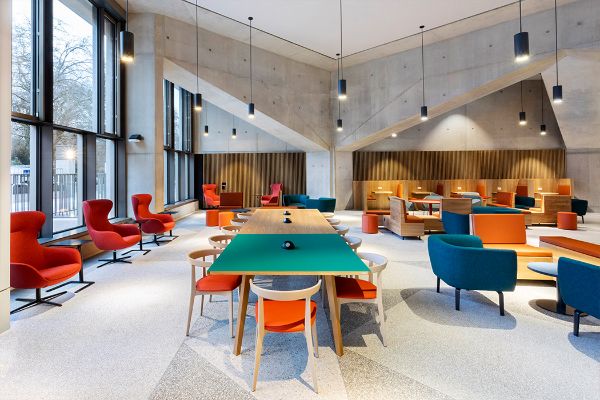
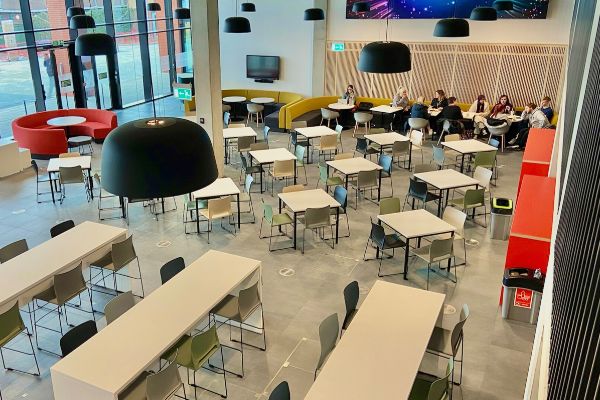
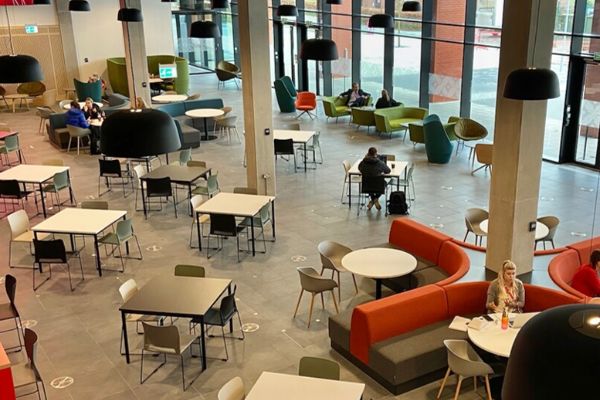
Universities, café spaces, libraries, and community hubs work incredibly hard throughout the day. People come and go, furniture is moved constantly, surfaces are wiped down repeatedly and fabrics need to withstand intensive use. These spaces benefit from robust frames, wipe-clean finishes and durable fabrics that hold their shape and appearance longer. When the specification is right, you avoid the quick replacement cycle that drains budgets unnecessarily.

Healthcare and clinical spaces

Hospitals, clinics, GP waiting rooms and care environments have their own set of pressures. Hygiene is a priority, and furniture needs to support infection control without feeling cold or clinical. Materials should handle regular cleaning and still offer comfort to patients and visitors during waiting periods. When furniture is specified correctly, it creates a sense of reassurance and professionalism while still allowing staff to work efficiently and safely.


Office and administrative areas

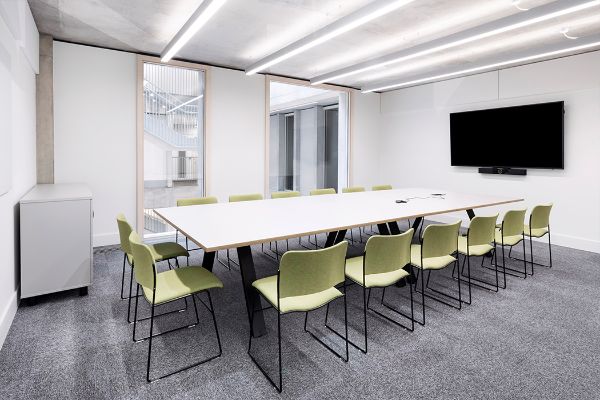
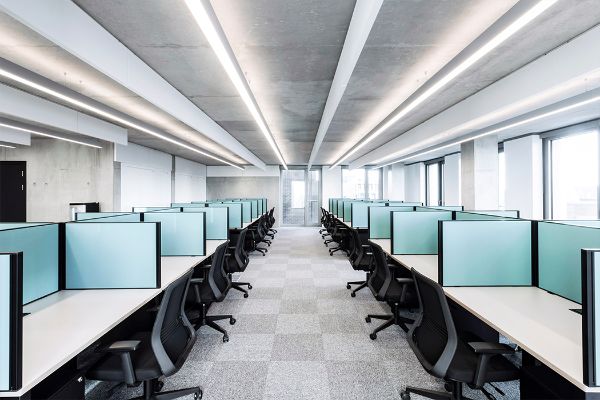
In office-based public sector spaces, comfort and productivity sit at the centre of good design. Staff spend long hours at their desks or in meetings, so ergonomic task chairs, adjustable desks, acoustic solutions and flexible meeting furniture become essential. When chosen thoughtfully, these elements improve wellbeing, reduce strain and support hybrid working patterns. They also adapt more easily as teams grow or change, reducing the need for repeated investment.

When spaces are furnished according to their real behaviours, not just their appearance, they stay functional for longer, feel more supportive to the people who use them, and deliver stronger value across the life of your project.

Understand your compliance responsibilities from the beginning

Compliance can feel daunting. Fire safety regulations for upholstered items, for example, exist to protect users across a range of public buildings. The specific standards you need will depend on your environment, your building type and how your space is used. A healthcare clinic, a school common room and a council chamber all have different requirements.

This is where the right guidance makes a real difference. Your supplier should help you understand which products meet the necessary regulations to understand how they translate into practical choices for your project. Clear advice at this stage prevents delays, avoids unexpected costs and removes the frustration of having to re-specify products later.

Approaching compliance early gives you confidence. It means the furniture you choose is safe, appropriate and fully aligned with the needs of your building, without becoming a time-consuming part of the process.

By understanding how these patterns emerge, estates teams can quickly pinpoint high‑impact opportunities that improve efficiency and user experience without major investment.

Plan around capacity, movement and layout

A well planned layout can make a significant difference to how far your furniture budget stretches. It shows you what you truly need. When you understand how people work within your environment, your choices become more intentional.

Questions to explore early on include:

    • What is the peak capacity of the space?
    • Do users need long term comfort or short stay seating?
    • How much circulation space is needed for accessibility?
    • Will the layout need to change frequently?
    • Does the space require distinct zones within one area?

A thoughtfully considered layout helps you create a space that supports the behaviours happening inside it. A room designed for teaching needs a different flow to one used for waiting, collaborating or decompressing. Some spaces benefit from clear pathways for accessibility, while others need pockets of privacy or calm built into them.

When you plan with these behaviours in mind, you avoid purchasing items that will never be used effectively, and instead focus on the pieces that actively improve how the space feels and functions.

Make deliberate choices about quality and warranties

Public sector furniture works hard. It is used by many people, in many ways. Thinking deliberately about uses, quality and warranties is one of the simplest ways to protect your budget over time.


Higher quality furniture:

  • Lasts longer in heavy use environments.
  • Offers better warranties.
  • Reduces maintenance and replacement cycles.
  • Performs more consistently over its lifespan.


Choosing quality does not mean choosing premium ranges everywhere. It means selecting the right level of durability for the realities of each space. A busy university hub will have different demands from a small meeting room. A 24‑hour healthcare setting will place different pressures on furniture than an office used only during the working day. Matching quality to the intensity of use ensures your investment goes where it will have the biggest impact.

When this balance is right, staff notice the difference in comfort and support, users notice the improvement in experience and organisations see long term value through fewer replacements and stronger performance. Quality and warranty decisions create spaces that feel dependable, safe and resilient, even under heavy daily use.

Approach sustainability in a way that fits your organisation

Sustainability means different things to different public sector teams, and it is shaped by your organisation’s goals, your users and the realities of your budget. For some, sustainability is about meeting formal environmental commitments. For others, it is about reducing waste, extending the life of existing furniture or choosing materials that hold up better over time.

A sustainable approach might involve:


  • Reupholstering items rather than replacing them.
  • Choosing long-life materials that stay looking good.
  • Reusing items within your organisation.
  • Redirecting quality second-hand items to schools or charities.
  • Reducing landfill costs by choosing smarter disposal routes.


Sustainable choices can sometimes come with a higher upfront cost, especially when materials or manufacturing processes are designed for longevity. But these decisions often reduce whole-life spend because well-made furniture performs better, lasts longer and supports your organisation’s goals far beyond the initial project.

Sustainability should never feel like an added burden or a luxury your budget cannot stretch to. It is about making thoughtful decisions that balance environmental responsibility with practicality. For some organisations, that means investing in long-life pieces for heavy-use areas. For others, it means making the most of what you already have, refreshing existing items or redistributing furniture between departments.

When sustainability is approached in a way that suits your organisation, it becomes a helpful decision-making tool. It guides you toward choices that benefit your users, protect your budget and contribute to spaces that remain functional, comfortable and relevant for years to come.

Plan for accessibility and inclusivity from day one

Public sector environments serve a wide range of people, all with different physical, sensory and emotional needs. When accessibility is built in from the start, you avoid costly retrofits, avoid-requested replacements and ensure that the furniture you invest in continues to support users long term rather than becoming unusable for some groups.

You might consider:


  • Seating at varied heights and depths.
  • Adjustable desks or workstations.
  • Clear movement routes for wheelchair users.
  • Acoustics and sensory comfort for neurodiverse users.
  • Quiet areas or private zones in busy buildings.


These considerations shape how people experience your space and how sustainably your budget performs. A space that supports sensory needs avoids expensive adjustments later. When inclusivity is planned early, your investment lasts longer, your users feel more supported and you avoid the financial burden of reworking your layout later. Inclusive design strengthens user experience and long-term value.

Choose furniture that can adapt as your organisation changes

Teams grow, services evolve, teaching styles shift and user groups change all the time in public sector organisations. Adaptable pieces prevent you from having to repurchase items every time a room or department evolves.

Modular seating, mobile storage, folding tables and multi‑purpose furniture allow you to respond to changing needs without major reinvestment. They support seasonal peaks, timetable shifts or new operational models with minimal disruption. Over time, this adaptability protects your budget by ensuring the same pieces can work across multiple scenarios.

Spend once, use for years and adjust with confidence instead of replacing entire suites of furniture every time your organisation changes direction.

Give yourself time for procurement and manufacturing

Time is one of the most underrated tools for budget protection. Public sector procurement involves approvals, processes and governance that can influence what you buy and when you buy it. Add to that the manufacturing lead times for certain furniture ranges, and timing becomes a central financial consideration.

Some products take longer due to made‑to‑order finishes, specialist materials or seasonal demand. If these timelines clash with procurement windows, your choices become more limited. That is when rushed decisions lead to compromises that cost more in the long run.

Starting early gives you the space to compare value properly, avoid premium charges for urgent deliveries and choose furniture that aligns with both your needs and your budget. Early planning reduces the risk of shortcuts, overspecification or last‑minute purchases that impact cost and suitability.

Think about installation early on

Installation is not just a logistical phase. It has real budget implications that can all influence the cost and practicality of installation.

Planning this early means:


  • You avoid out‑of‑hours charges.
  • You prevent delays that extend contractor time.
  • You ensure the right people and permissions are in place.
  • You avoid damage to new items caused by rushed handling.


Clear installation planning ensures that your new furniture arrives safely and efficiently, without unexpected costs eating into your remaining budget. When installation is handled thoughtfully, you protect both the furniture you’ve invested in and the smooth running of your operations.

Carry out a furniture audit before you buy anything new

A furniture audit is one of the strongest budget‑saving tools available. It gives you visibility of what can be reused or refreshed and what genuinely requires new investment. Many public sector organisations are surprised by how many high‑value items can be reupholstered, repaired or repurposed rather than replaced.

An audit helps you avoid duplicate spending and ensures the budget is directed toward areas where it will make the biggest difference. It also supports sustainability commitments by reducing waste and extending the life of furniture you have already paid for.

By grounding your decisions in what you actually have, rather than what you assume you need, your budget becomes more focused, more strategic and more aligned with the real needs of your users.

Plan for storage, reuse and responsible disposal

Storage, reuse and disposal decisions all influence your budget. If you are moving or refreshing a space, temporary storage can prevent rushed disposal of items that still hold value. Without it, organisations often discard furniture prematurely simply because they lack space to store it during transitions.

Before disposing of anything, consider the alternatives. Donation, internal redistribution or resale can significantly reduce waste and may even return value back into the project. These routes prevent unnecessary replacement spending and support community benefit at the same time.

Beyond the environmental impact, disposal fees can quickly become a sizeable and avoidable cost. Thoughtful end‑of‑life planning helps you maximise the value of your existing assets and prevents budget loss through unnecessary waste.

How Showcase PSR Can Help You Make the Most Out of Your Public Sector Furniture Budget

Planning a public sector furniture budget is a balancing act between user needs, compliance, durability, flexibility and cost. It can feel complex, but you do not need to navigate it alone. The Showcase PSR team supports public sector organisations every day, helping them make informed, confident decisions that prioritise value without compromising the quality or feel of their space. We work with you to understand your environment, your people and your pressures, then guide you toward solutions that deliver long‑term performance, comfort and budget resilience.

With the right partnership, your furniture choices become clearer, more strategic and better suited to the future of your organisation.

Want to hear more from Showcase PSR? Check out our latest news posts here.

A look back at the LUPC & SUPC Conference 2026

By Uncategorized No Comments

The LUPC & SUPC Conference 2026, held on the 25th of March, was a real success for the Showcase PSR team.

James Crome and Philip Barrett represented us at Stand 13, where they spent the day meeting new faces, catching up with familiar ones and having some genuinely constructive conversations about how we can help organisations get more out of their education spaces.

Throughout the event, James and Philip demonstrated two of our current education favourites. FRÖVI’s Mello Pod attracted steady interest, with many visitors wanting to experience its acoustic comfort and Class B sound insulation for themselves. The intuitive controls made it easy to show how the pod can support focus, privacy and wellbeing in busy environments.

OE Electrics’ Poseur Table also sparked plenty of discussions. Its adaptable power access proved relevant for teams looking to create flexible, high‑use spaces without compromising on practicality.

The day was full of thoughtful conversations about the challenges many education organisations face and the role that well‑planned furniture can play in improving study environments, breakout areas and shared spaces. It was encouraging to hear so many people focused on creating environments that support students and staff, while staying realistic about budgets, maintenance and long‑term use.

Thank you to everyone who stopped by our stand. The discussions, questions and insights were incredibly valuable, and we are looking forward to continuing the conversations about how we can help you improve and future‑proof your education spaces.

Want to hear more from Showcase PSR? Check out our latest news posts here.

Neurodiversity Week with Women in Property

By Uncategorized No Comments

In celebration of Neurodiversity Week, Megan Hind joined Women in Property South Wales for their Neurodiversity in Design panel discussion at Cardiff and Vale College.

A huge thank you to Women in Property Wales and Sylwia Jackson from Karndean, the event sponsor, for bringing such an important conversation to the forefront.

It was a genuinely valuable session, shining a light on how inclusive design can better support people across commercial and education environments, with thanks to the panelists for sharing their insight and experiences.

As awareness continues to grow, we’re proud to help clients challenge typical historic design assumptions. By opening up these conversations early, we can shape spaces that genuinely work for everyone and better support the end‑user.

Want to hear more from Showcase PSR? Check out our latest news posts here.

Public Sector Space Utilisation: A Practical Guide

By Uncategorized No Comments

Across the public sector, buildings face more pressure than ever. Councils, schools, colleges, NHS trusts, laboratories, science parks and care homes are all navigating rising costs, hybrid working patterns and evolving user needs. Yet in almost every estate, there are overlooked pockets of space -unused rooms, wide corridors, outdated storage areas or former offices that no longer serve a purpose.

These areas may appear insignificant, but collectively they represent one of the greatest opportunities to improve efficiency and service quality. Public sector space utilisation is about making sure every square metre delivers value for staff, service users and the wider community.

This guide explains how to enable that potential using practical, low disruption approaches that support operational goals, accessibility requirements and long-term estate strategies.

Why Public Sector Space Utilisation Matters

Unused space in public environments doesn’t just waste budget. It can affect service delivery, user experience and staff wellbeing in subtle but important ways.

When key activities are forced into already busy areas, noise and congestion rise, which lowers concentration and slows down every day processes. Underused rooms distort utilisation data, leading organisations to assume they need bigger buildings when the real issue is inefficient layout. Without suitable private spaces, sensitive conversations often happen in environments that don’t protect dignity or emotional safety. Unused corners frequently become informal storage areas, creating clutter that disrupts accessibility and wayfinding. And when staff spend most of their time in overstretched zones despite empty areas elsewhere, it increases cognitive load and contributes to avoidable stress.

Better Operational Outcomes

When the right spaces don’t exist for private discussions, safeguarding, consultations, focused work or small group learning, staff lose time navigating buildings and improvising workarounds. At the same time, high use areas become congested while other parts of the estate sit idle.

A lack of practical space also reduces workflow stability. When teams can’t rely on predictable access to suitable rooms, routine tasks become disrupted, creating delays and unplanned workarounds. In multiagency environments, this unpredictability can slow decision-making and make joined up working harder than it needs to be. Over time, these small inefficiencies add up, making the estate feel stretched even when capacity technically exists.

This shift in working patterns aligns closely with the government’s Smarter Working principles, which encourage public organisations to use space more flexibly and efficiently.

Financial Responsibility

Maintaining, heating and securing underused areas consumes budget without contributing value. Improving utilisation reduces these hidden costs and helps organisations reinvest resources into frontline services.

Beyond the direct running costs, underused areas also create inefficiencies in how budgets are allocated. When space isn’t actively contributing to service delivery, estates teams often divert funds into maintaining low value areas instead of investing in environments that genuinely improve outcomes. This can delay essential upgrades, reduce the lifespan of high traffic spaces that carry most of the workload, and create an uneven quality of experience across the building. Over time, these misalignments lead organisations to believe they need larger estates or new buildings, when in reality they need better utilisation of what they already have.

Accessibility and Inclusion

Thoughtful space planning improves environments for people with sensory, cognitive or mobility needs. Transforming unused areas into quiet rooms, sensory spaces or DDA‑friendly zones strengthens equity of access. It also reduces the unintentional stress points created when all users are funnelled through the same busy areas, which can be overwhelming for neurodivergent individuals or those with anxiety.

Clearer zoning helps staff deliver support more consistently, as pupils, patients or residents can be guided to predictable and purpose‑designed spaces rather than improvised locations. In many public buildings, small adaptations to underused corners can dramatically improve wayfinding, giving users with visual or cognitive impairments greater confidence to navigate independently. And by redistributing activity across the estate, it prevents overstimulation in crowded hotspots while ensuring quieter zones remain genuinely quiet and welcoming.

Sustainability and Net Zero

Repurposing space supports efforts to reduce carbon emissions by avoiding unnecessary new construction and improving the efficiency of existing assets. Public sector space utilisation strengthens the estate both financially and socially, and often without major capital expenditure.
Unused areas also tend to require disproportionate maintenance, with heating, ventilation and cleaning still carried out even when no meaningful activity happens there. By consolidating functions into well‑used zones, organisations can reduce energy peaks and smooth operational demand across the day, which directly improves building performance.

Older buildings also gain from this approach, as redirecting investment into high‑use areas extends their life and reduces the likelihood of costly reactive repairs. Ultimately, making better use of space helps organisations get more from the assets they already have, creating a more sustainable, resilient and future‑proof estate.

Where Unused Space Typically Hides in Public Sector Buildings

Unused or underperforming space appears in different forms across the sector. Recognising these patterns helps identify opportunities quickly. In many public buildings, these gaps develop gradually – not through poor planning, but through years of changing staffing models, curriculum shifts, digital transformation or clinical pathway updates.

Rooms that were once essential become redundant, and circulation areas expand or contract as usage evolves, often without anyone realising their potential. Hybrid working has also created uneven patterns of occupancy, leaving some days overcrowded and others with large areas sitting empty. And because public estates are typically large, complex and multi‑purpose, unused space can easily go unnoticed unless organisations intentionally review how each area performs.

By understanding how these patterns emerge, estates teams can quickly pinpoint high‑impact opportunities that improve efficiency and user experience without major investment.

Schools, Colleges, and Universities

Many education environments contain formerly critical spaces (e.g., ICT rooms) that no longer match modern learning approaches. Wide corridors, empty landings and outdated breakout areas often go underused despite offering potential for SEND support, intervention work or wellbeing zones.

In many education spaces, these areas became redundant not because they were poorly designed, but because curriculum requirements, technology use and cohort needs evolved far faster than the buildings themselves. For example, one‑to‑one devices and cloud learning have reduced the demand for fixed ICT suites, while SEND teams now need quieter, low stimulus rooms that older layouts never accounted for, as outlined in the SEND Code of Practice.

Corridors and circulation spaces are also often larger than necessary due to historic fire‑regulation interpretations or legacy building standards, creating pockets of space that are safe but not meaningfully used. These underutilised spots can become vital assets, offering flexible zones for mentoring, sensory regulation, small‑group teaching or restorative practice when rethought with intentionality.

Local Government and Council Buildings

Hybrid working has reduced daily occupancy, meaning previously essential offices now sit half empty. Traditional committee rooms see low utilisation, and receptions built for pre‑digital public access no longer suit current service models. Many councils now face a mismatch between estate design and real service demand. Buildings that were once in constant use often peak mid‑week but stay quiet at either end, which creates uneven pressure across floors and workspaces. The shift to online services has also reduced the need for large enquiry counters and waiting areas.

At the same time, fixed desk layouts designed for full‑time office attendance no longer support mobile or hybrid teams, leaving large workstation zones underused despite significant running costs. Repurposing these areas gives councils the opportunity to free up space for community partners or income‑generating uses while improving the efficiency of day‑to‑day operations.

Corridors and circulation spaces are also often larger than necessary due to historic fire‑regulation interpretations or legacy building standards, creating pockets of space that are safe but not meaningfully used. These underutilised spots can become vital assets, offering flexible zones for mentoring, sensory regulation, small‑group teaching or restorative practice when rethought with intentionality.

Hospitals, NHS Trusts and Healthcare Organisations

Waiting rooms sized around older patient pathways, underused staff meeting rooms and large circulation areas all represent potential for improved utilisation. Many estates also contain decant rooms that sit unused between refurbishments. Healthcare environments often evolve faster than the buildings themselves, which means layouts that once supported specific clinical flows can become outdated as digital check‑ins, remote consultations and new treatment models take hold.

Some spaces remain underused simply because they were designed for activity levels that no longer exist, particularly in outpatient settings. These pockets of space can also create inefficiencies in staff movement, as clinical teams often have to travel further than necessary to find suitable rooms for handovers, private discussions or multidisciplinary work.

Repurposing underutilised areas can reduce these inefficiencies, improve patient privacy and help hospitals adapt more quickly to fluctuating demand, in line with NHS estate productivity guidance.

Science Parks, Labs and Research Facilities

Older lab footprints often leave leftover transition spaces that no longer contribute to modern research methods. External areas, mezzanines or alcoves may provide opportunities for collaboration or wellbeing.

Many science and research facilities were designed for very fixed, equipment‑heavy workflows, which means their circulation spaces were never intended to support agile or project‑based work. As research becomes more digital and multi‑disciplinary, these unused pockets can be some of the most valuable locations for quick discussions, data review or informal cross‑team exchange.

Some of these spaces also offer environmental conditions that differ from the main lab floor, such as natural light or lower noise, which can be ideal for focused tasks that cannot be done at the bench. When rethought with intention, they provide staff with moments of relief from intense lab environments and support smoother transitions between experimental and analytical work.

Care Homes and Residential Settings

Traditional lounges and activity rooms sometimes exceed current resident needs, while smaller corners could support reminiscence therapy, one to one engagement or mobility activities. In many care homes, the main communal areas were designed around older models of group activity that no longer reflect how residents prefer to spend their time.

Smaller, more intimate spaces often support better engagement, particularly for people living with dementia or cognitive decline, who may find large busy rooms overwhelming. These quieter pockets of space can also help staff deliver more personalised care because they allow for conversation, stimulation and movement at an appropriate pace.

Repurposing unused areas in this way can reduce agitation, improve orientation and create a calmer overall environment for residents and visitors.

Practical Ways to Improve Public Sector Space Utilisation

Improving public sector space utilisation often starts with understanding how buildings genuinely function day to day. Many public sector environments have evolved over time, which means their layouts often reflect historic processes rather than current service needs.

Rooms that once supported specific workflows may now be underused, while high‑demand areas struggle to cope with the volume and nature of today’s activity. Identifying these mismatches makes it possible to target interventions that deliver immediate value without major structural changes. It also helps organisations prioritise work that enhances user experience, operational flow and long‑term estate performance.

Below are high‑impact methods to repurpose space effectively while keeping disruption low. Each approach blends strategic thinking with practical implementation, which are core principles of Showcase PSR’s consultancy‑led method.

1. Create Flexible Spaces for Meetings, Consultations and Interventions

Across the public sector, confidential and focused discussions happen daily. Yet many buildings lack small, adaptable rooms for these essential tasks.

By rethinking unused corners or rooms, organisations can create settings ideal for:

  • safeguarding meetings
  • parent–teacher discussions
  • clinical consultations
  • multi agency collaboration
  • pastoral support
  • community appointments
  • research or digital collaboration

Modular meeting pods or reconfigured micro rooms offer privacy, acoustic control and comfort without requiring structural work. They can also support hybrid engagement through integrated technology.

For estates requiring furniture reuse before replacement, our Furniture Audit service helps teams understand what can be repurposed effectively.

2. Use Modular Furniture to Add Flexibility Without Refurbishment

Many public buildings rely on static furniture layouts that can’t respond to evolving service demands. Modular systems allow teams to adapt a space in minutes — transforming underused corners into valuable working or learning environments.

Modular solutions work well for:

  • exam zones or intervention rooms in schools
  • pop up events or public engagement sessions in council spaces
  • temporary staff hubs in hospitals
  • flexible research work in laboratories
  • multi purpose wellbeing or activity spaces in care homes

This agility supports estate efficiency while minimising cost and downtime.

If relocation, decanting or facility changes are part of the plan, solutions like Warehouse Storage and Delivery and Installation keep transitions smooth.

3. Apply Zoning to Improve Flow, Calm and Functionality

Zoning is a powerful tool for public sector space utilisation. It helps buildings support distinct activities without major alterations.

Through careful placement of partitions, acoustic elements, soft seating or biophilic dividers, organisations can create:

  • quieter working zones
  • SEND friendly or sensory friendly areas
  • private conversation corners
  • calmer staff rest points
  • defined pathways in busy buildings
  • micro collaboration hubs in labs or offices

Zoning improves both usability and wellbeing, especially in high traffic or overstimulated environments.

To ensure zoning aligns with user experience and building goals, our Consultancy team can develop a supported plan.

4. Design Quiet Spaces to Support Cognitive, Emotional and Clinical Needs

Public sector staff and service users often operate under intense cognitive load. Quiet, focused space provides significant benefit.

These areas can support:

  • caseworkers completing sensitive files
  • teachers supporting pupils with additional needs
  • NHS staff needing moments of decompression
  • researchers requiring focused analysis
  • care home residents seeking calm or routine

Quiet rooms don’t need to be large. But, they must be intentional, acoustically managed and easy to access.

5. Create Wellbeing Spaces That Serve Both Staff and Service Users

Wellbeing directly affects the quality of public services. Repurposing unused space into wellbeing areas enhances resilience, focus and emotional clarity.

Examples include:

  • sensory rooms in education
  • reflection spaces in libraries
  • indoor garden corners in council buildings
  • calm rooms in hospitals and care homes
  • staff wellbeing hubs for decompression
  • faith inclusive spaces for cultural belonging

Thoughtful furniture, acoustic comfort and soft lighting can completely transform how these spaces feel.

6. Support Community Access and Multi Use Demand

Community expectations around public spaces have evolved, and many buildings now support multiple user groups.
Unused areas can be converted into:

  • adult learning spaces
  • voluntary sector hubs
  • flexible community rooms
  • co working environments
  • service user drop-ins
  • health outreach points

This enhances public value and supports levelling up priorities.

7. Use Technology to Unlock Smarter Space Utilisation

Space and technology increasingly work hand in hand.

Digital tools support better utilisation through:

  • reliable room booking
  • occupancy and utilisation analytics
  • integrated hybrid meeting equipment
  • portable charging and wireless connectivity
  • digital wayfinding and signage

These tools provide insights that help organisations allocate space more intelligently.

8. Adopt a Repurpose‑First Strategy Before Refurbishing

Refurbishment isn’t always the best first step. A repurpose first approach enables teams to understand what is already possible.

This involves asking:

  • Can zoning or layout changes solve the problem?
  • Can existing furniture be reused or updated?
  • Could services share or co-locate within the same footprint?
  • Would modular or flexible solutions unlock capacity?
  • Is community or multi-agency use appropriate here?

This approach avoids unnecessary cost and environmental impact.

For projects requiring broader changes, Showcase PSR supports full Project Management and Procurement Processes to keep everything aligned and compliant.

9. Ensure Alignment With Policy, Accessibility and Estate Strategy

Improving public sector space utilisation adds value beyond efficiency. It can also support:

  • Net Zero and sustainability commitments
  • Departmental Smarter Working initiatives
  • SEND and inclusive design requirements
  • CQC expectations in health and social care
  • Council and NHS co-location goals
  • Community access strategies and regeneration plans

Repurposed space strengthens both compliance and user experience.

10. Look Ahead: Future Trends in Public Sector Space Use

Public buildings are evolving, and the way space is used will continue to change. Key trends include:

  • microspaces for short duration tasks
  • outdoor classrooms and wellbeing areas
  • multi-agency public sector hubs
  • modular clinical or diagnostic pods
  • tech enabled collaboration and hybrid delivery
  • community co use and out of hours activation

Improving utilisation now sets the foundation for future resilience.

Final Thoughts

Unused or underused space is one of the most overlooked resources across public estates. With thoughtful planning, public sector space utilisation can dramatically improve service delivery, staff wellbeing and building performance – all while reducing cost and carbon.

The most effective strategies don’t rely on major construction. They rely on clarity of purpose, intelligent design and practical solutions that align with how people work and live today.

To explore how your organisation could unlock more value from its estate, browse our recent projects or speak to us directly.

We’re here to help: https://showcase-psr.co.uk/contact/

Want to hear more from Showcase PSR? Check out our latest news posts here.

Inside Showcase PSR’s First 2026 Sales Meeting

By Uncategorized No Comments

First sales meeting of the year, done!
We kicked things off at our Smithfield office with a team catch-up, looking ahead at a busy year and some exciting projects on the horizon.

With the brilliant team from COR Sitzmoebel currently in residency at Smithfield with Showcase Interiors Ltd, we also explored some of their standout pieces, testing products from their Jalis range.

To finish the day, we made our way to Material Source, diving into supplier products and getting hands-on with samples to fuel our inspiration. The team loved exploring the vast mix of materials, finishes, and utilities – learning how each one performs in different settings and how they can enhance the recommendations we bring to our clients.

A productive and exciting start to the year. Thanks for having us Material Source, and well done, team!

Want to hear more from Showcase PSR? Check out our latest news posts here.

First Aid Training at Showcase PSR

By Uncategorized No Comments

Last week, we joined Showcase Interiors and Renovo for a full day of first aid training. Bringing our teams together for hands‑on learning helps strengthen the way we support each other across all PSR locations.

At Showcase PSR, we maintain a strong group of trained First Aiders on our sites. This approach ensures that every location is safe, well‑supported, and prepared to respond confidently when it matters — both on and off site.

It was a full, practical, high‑energy day, and the team delivered brilliantly.

Well done, everyone involved.

Want to hear more from Showcase PSR? Check out our latest news posts here.

On Site at the University of Liverpool’s School of Architecture

By Uncategorized No Comments

The PSR team are on site at University of Liverpool’s School of Architecture this week!

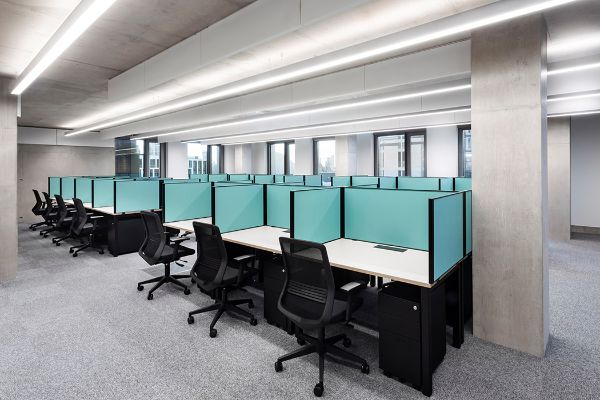
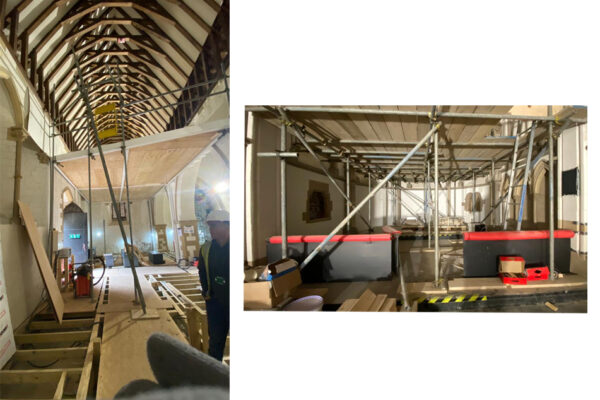
We’ve been working with the client for the past year and it’s great to see the plans turning into reality: studio desks and chairs in natural plywood to complement the building’s aesthetic, reuse of existing pieces, and all the fixed joinery now complete, which we worked closely with the M&E contractor to coordinate.

Project Team: Lee Dagger (PM), Sam Asiri (Senior Designer), Megan Hind (Account & Project Lead), Matt Fish (Project Coordinator).

Gavin Phillips is looking forward to supporting the client with the team as the project moves into its next phase!

Take a look at the progress so far!

Want to hear more from Showcase PSR? Check out our latest news posts here.

Press Release: Showcase PSR Secures Place on NHS Framework

By Uncategorized No Comments

Showcase PSR is delighted to confirm its appointment to the SCCL Framework Agreement for the Supply of Good and the Provision of Services, a national framework agreement managed by NHS Supply Chain.

Spanning three years with an optional one-year extension, this framework enables NHS trusts, local authorities, and wider public sector bodies to procure a wide range of furniture. Categories include general furniture, outdoor furniture, lockers, children and play furniture.

This appointment reflects Showcase PSR’s continued commitment to delivering high-quality, design-led solutions. It also reinforces our position as a trusted supplier to the public sector, capable of meeting complex procurement requirements with precision and care.

The tender process required a coordinated effort across sustainability, ISO compliance, pricing, and contracts. The team worked diligently to meet every requirement while managing ongoing project commitments.

Being part of this framework allows Showcase PSR to further its mission of creating inspiring, functional, and future-ready environments for public sector clients.

Well done to the entire team whose hard work enabled us to reach this milestone!

Interested in working with us through the NHS Framework? Contact us to learn more.

Want to hear more from Showcase PSR? Check out our latest news posts here.

Merry Christmas & Happy New Year!

By Uncategorized No Comments

Merry Christmas & Happy New Year from Showcase PSR…

Heads up: our offices will be closed from midday on the 24th of December to the 5th of January!

As we close up on a really successful year, we’d like to say a huge thank you to all our clients, suppliers, and amazing team for making it one for the books.

We look forward to continuing relationships, starting new ones, and making 2026 an even better year.

Want to hear more from Showcase PSR? Check out our latest news posts here.

Christmas Jumper Day 2026

By Uncategorized No Comments

The jumpers are on and our spirits are high for Christmas Jumper Day!

We joined in Christmas Jumper Day to support Save the Children again this year, and had a great time doing it.

Getting festive and putting on our woolly jumpers is a simple way to make a big difference, raising money to help children everywhere stay safe, healthy and learning.

Well done to the team for the great effort!

Want to hear more from Showcase PSR? Check out our latest news posts here.